Microeconomics of Channel Mix
Once companies establish a clear baseline for investment, rising customer acquisition costs across major social platforms force them to reevaluate their budget allocations. Companies find comfort in owned channels that offer predictable returns, and they avoid expensive ad impressions. These businesses use email marketing as a refuge from volatile advertising costs because it doesn't depend on unpredictable algorithmic feed changes. According to industry data, email campaigns generate returns of $36 to $45 for every dollar spent, and this easily outperforms social and search channels.
The future of performance marketing relies heavily on artificial intelligence inside these owned channels. When companies apply machine learning to their subscriber data, they see immediate financial gains. The same data shows that artificial intelligence increases email revenue by 40 percent and pushes open rates to 20.9 percent compared to 9.7 percent for generic broadcasts. Brands adapt to the digital shift and build a performance marketing strategy that prioritizes this type of personalized automation to align with marketing trends 2025. Companies execute this transition through a specific sequence of actions:
-
They connect customer relationship databases to autonomous email agents.
-
They train algorithms on historical purchase data and engagement metrics.
-
They deploy individualized content blocks that update dynamically upon opening.
-
They monitor the revenue impact across different subscriber segments.
Marketing Organization Structure in 2026
Autonomous systems manage these channels and change how marketing departments organize their staff. When machines handle daily bid adjustments and email personalization, human employees develop new competencies to remain valuable. The digital advertising future demands data science literacy rather than basic platform management skills. Analysts do not download reports and merge spreadsheets manually anymore. According to forecasts for the coming years, IT companies can automate their reporting and shift up to 75% of their workforce from manual execution to high-level strategic planning.
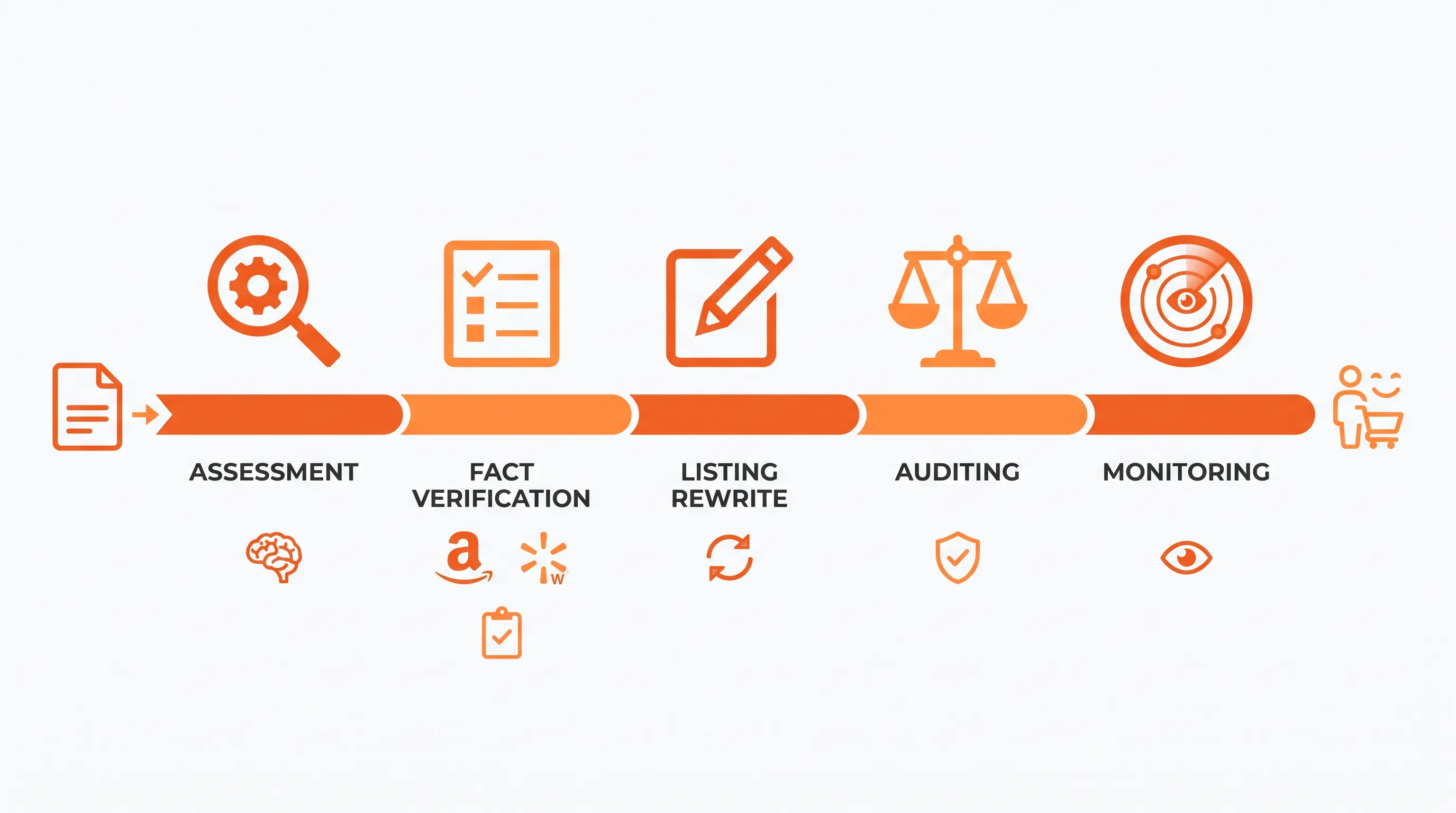
This operational shift dictates the future of performance marketing. Employees learn how to audit algorithmic decisions to maintain the exactness of campaign data. If departments let systems run without oversight, they risk spending budgets on the wrong audience segments. Therefore, artificial intelligence fluency acts as a mandatory skill for modern teams. Staff members guide the technology and validate the quality of its output, and they no longer write ad copy from scratch. This validation process protects the brand from machine hallucinations and logical errors.
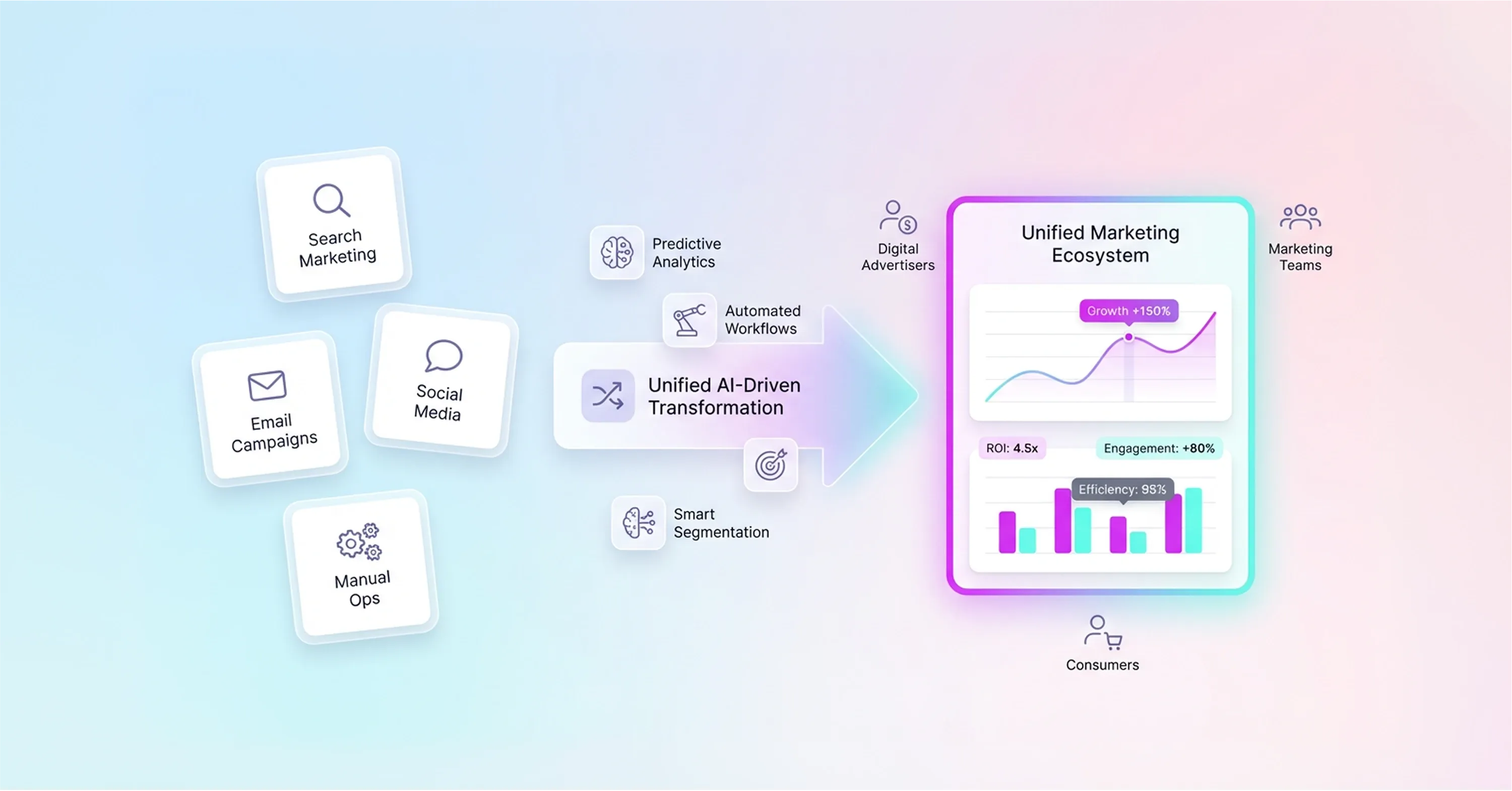
To prepare for marketing trends 2025, companies restructure their departments around cross-channel integration. They dismantle isolated teams that focus solely on search or social media. Instead, they build unified pods where data scientists, creative directors, and systems auditors collaborate. These reorganized teams design the overarching rules that govern the entire digital ecosystem. They focus on customer psychology and long-term brand building while the software executes the daily tactical maneuvers.
Conclusion
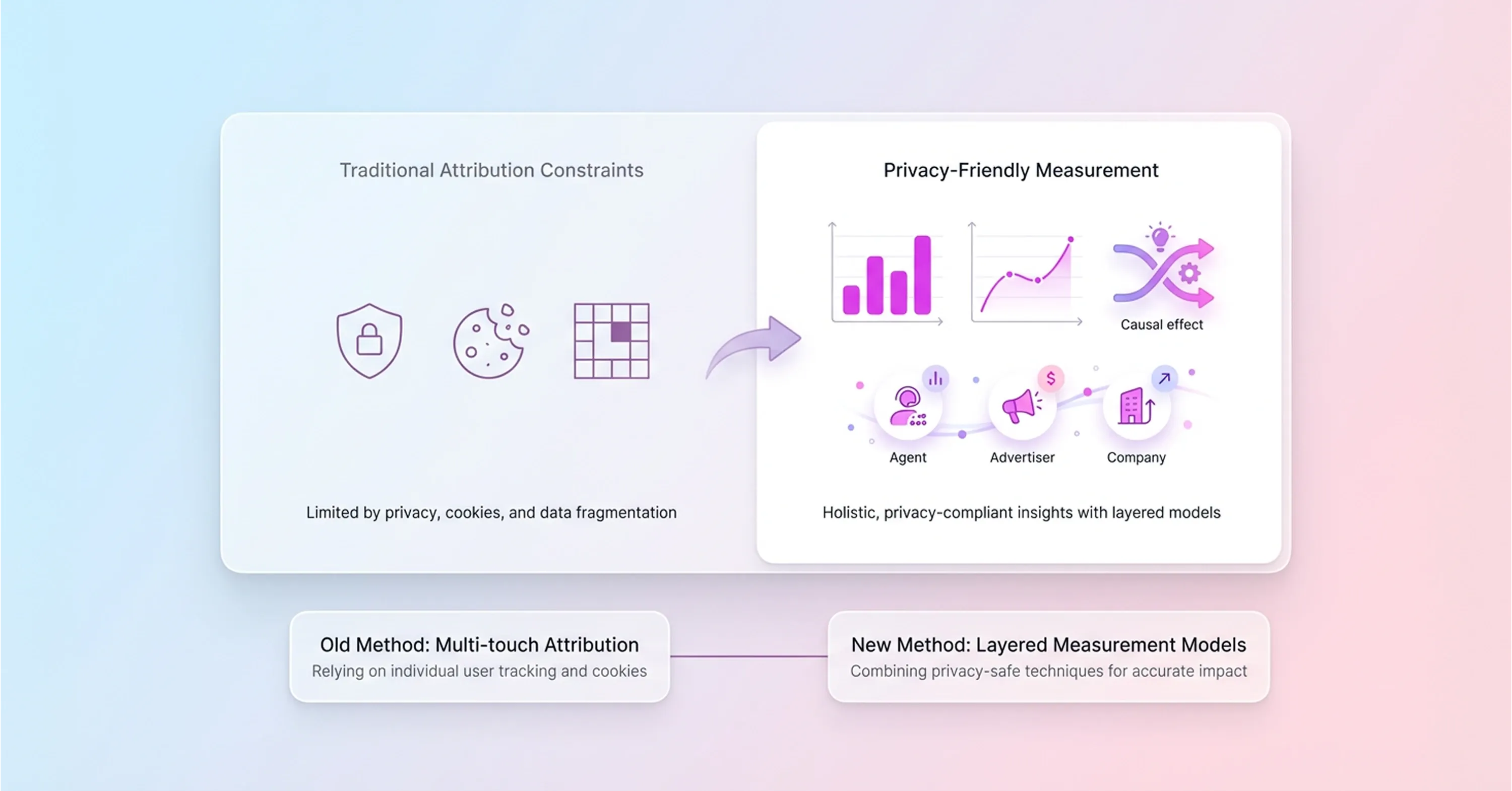
While the software executes these daily tactical maneuvers, marketing teams abandon fragmented experiments and build a unified AI ecosystem to adapt to the zero-click era. Leaders shift their focus from manual campaign execution to strategic AI governance and aggregate measurement to prepare for the future of performance marketing. These teams adapt to rising acquisition costs effectively when they understand how autonomous agents allocate budgets and generate personalized content. In the future, brands that fully integrate their data infrastructure navigate the competitive landscape effectively and stop reacting to platform changes. Auditing the current technology stack today and aligning team skills starts this transition and supports a cohesive performance marketing framework that relies on privacy-first data.