
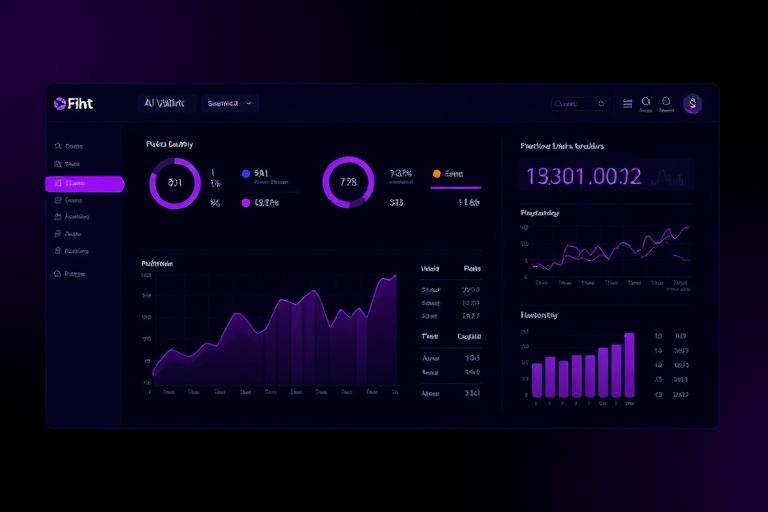
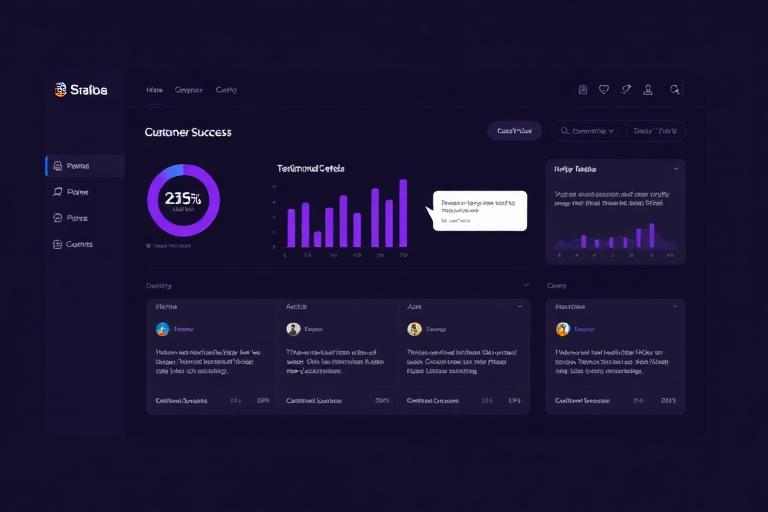

Programmatic SEO services at scale
Our programmatic SEO services build hundreds of search-ready pages from one data set and one tested template. That way your site answers the long tail of buyer queries that an SEO content writing team would never reach one page at a time. Snoika's Visibility Booster ships 200 to 500+ pages on your own domain, written for Google and for the AI assistants that now answer buyer questions. The first step is a free AI visibility report, which shows the queries where competitors appear and you don't.
Trusted by






















200–500 pages built for AI
Our Visibility Booster builds 200 to 500+ pages per strategy, as many as there are real query combinations backed by real data. Your data sets the upper limit, and the template doesn't change that. A software company with 40 integrations and 8 use cases has 320 honest pages for us to build. A company with 3 products and no attribute data has far fewer.
We check that every page says something distinct from the page next to it. Google treats scaled content abuse as spam when "many pages are generated for the primary purpose of manipulating Search rankings and not helping users." Volume is safe when each page carries its own facts, so we start with the query pattern where your data is strongest. A first set of 200 strong pages teaches more than 500 weak ones, and the impressions it earns become the inputs for the next set.
How our programmatic SEO works
Programmatic SEO generates a set of pages from structured data and a shared template, and each page targets one specific query. In our programmatic SEO tool, each set is a visibility strategy, and we run it in this order:
- 1Query patternWe find a query pattern with a fixed head and a changing modifier, such as "[service] in [city]".
- 2Data setWe build the data set that fills each modifier with price and spec data, plus location details and reviews.
- 3TemplateWe design one template that puts those facts where readers and crawlers expect them.
- 4ReviewWe generate the pages, then pass them through our human review layer before anything is published.
- 5PublishingWe publish with sitemaps and internal links so crawlers find the whole set.
- 6MeasurementWe measure which pages earn impressions to identify the ones that need improvement or removal.
Most failed projects skip step 2. When the data is thin, the pages come out thin too.
Page types we build
We build static or dynamic pages. Most projects use one of the programmatic SEO examples below, or a mix of them.
Location pages
Location pages pair a service with a city or a broader area, such as a region or country. They work when the offer changes by place in price, availability, regulation or delivery time. We write them in 135+ languages and regional variants, so the Austrian page can read as Austrian German and not as German with a different city name.
Category pages
Category pages group products or use cases under the label a buyer searches for. Real items and attributes give a category page the substance it needs to hold its rankings.
Comparison pages
We build a page for each "X vs Y" or "X alternative" pair buyers search for, and each "best X for Y" pair gets its own page too. Every page draws on the same attribute table, so each comparison uses the same criteria. Buyers type these queries late in their decision. With current attribute data, one template covers hundreds of pairs, and AI assistants can pull a clean answer from each page.
AI citation coverage
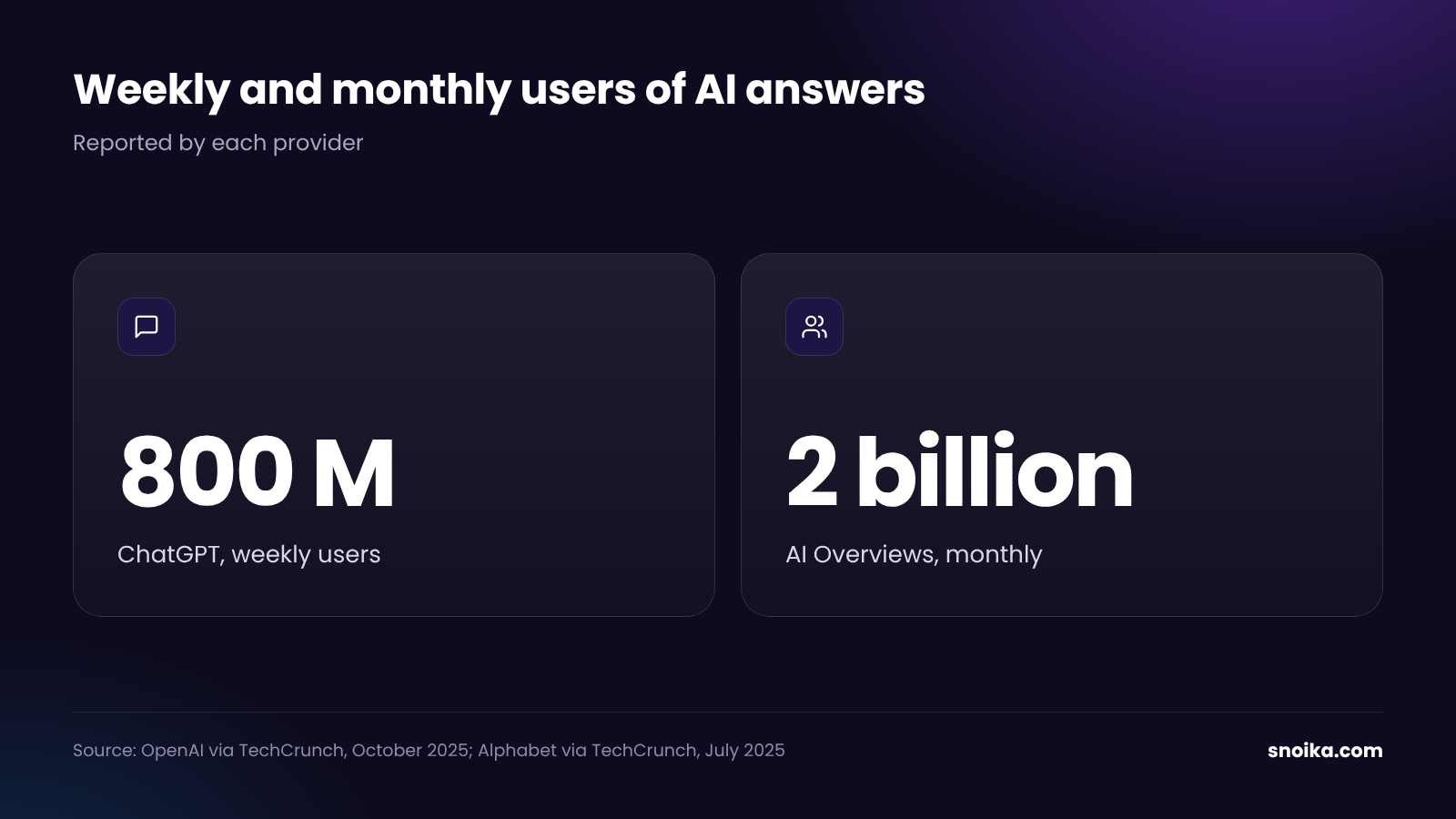
Programmatic pages help you get found by AI because assistants answer narrow questions and cite the page that answers that question with clear facts. A set of 300 pages can provide the best answers to 300 specific prompts when each page is written for one of them. Buyers ask those prompts at scale: OpenAI CEO Sam Altman said in October 2025 that ChatGPT had reached 800 million weekly users. Sundar Pichai, CEO of Alphabet, put Google AI Overviews at 2 billion monthly users.
We measure coverage with weekly prompt sets in ChatGPT and Google AI Overviews, which is where most AI search traffic happens. The tracking records four things for every page set:
- Mentions. How often assistants name your brand.
- Share of voice. Your share of those mentions against competitors.
- Sentiment. How the answers describe you.
- Citations. Which of your pages the answers link to.
Snoika's Visionary Anton Vedeshin reported to Startup Reporter 1StopVAT's move from 2.7% to 28.3% ChatGPT visibility in 16 weeks.
Stack-agnostic deployment
The pages go live on your own domain through a DNS connection, whatever your stack, with no migration and on any CMS. A CMS integration or a custom integration covers setups where a DNS connection doesn't fit. Publishing on your own domain keeps the authority it has already earned. From approval to launch, we work in this order:
- 011ApprovalYou approve pages in the dashboard before they go live.
- 022SchedulingWhen a page set has passed review, you can schedule the finished pages.
- 033Automatic publishingFor sets that don't need review, we schedule generation with automatic publishing.
- 044Launch checksBefore launch, we check the canonical tags, sitemap inclusion and internal links from your main navigation.
ROI you can model
We model programmatic SEO returns with you before we build anything. The model has three steps:
- 1ImpressionsMultiply pages by expected impressions per page to estimate total impressions.
- 2ConversionsMultiply that total by click-through rate and conversion rate to estimate conversions.
- 3ReturnMultiply the result by deal value, then subtract cost.
Search Console already holds the impressions and click-through rates for pages you have today, so the inputs come from your own data and not from our promises. We run the model on the conservative case first. If the set only pays back on the optimistic case, it needs a better query pattern.
Who this is built for
This service fits companies with a repeatable search pattern and the data to fill it. Unlike programmatic SEO tools that leave the build to your team, Snoika runs the platform and the programmatic SEO services with the same team, with human review on every set.
- Software companies with integrations — Integrations and use cases give a repeatable query pattern with real data behind it.
- Businesses with many locations — The offer changes by place, so each location page carries its own facts.
- Teams without a build owner — We build, review and publish the pages, so nobody on your side has to own the build.
- Teams that want one partner — The pages are built and the AI tracking is run by one team.
Why scale beats single pages
A set of pages wins more traffic than a single page because buyers search with specifics, and each specific is its own query. Links among 300 pages within one topic help those pages support each other and show Google and AI assistants that your site covers the topic. A page set with weak data still loses to one good page at every size.
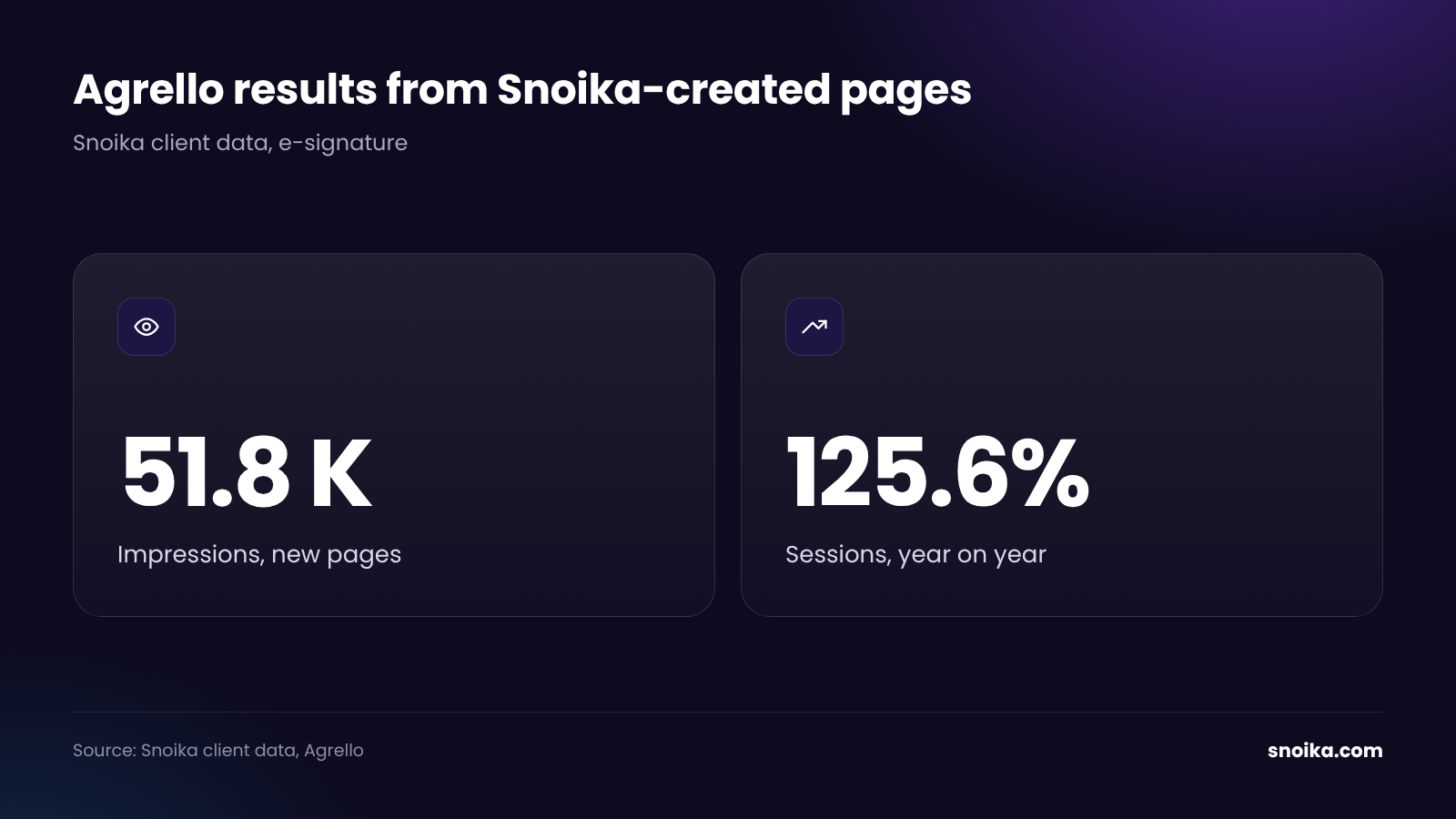
Agrello, an e-signature company, generated 51.8K impressions from pages we created and grew organic search sessions 125.6% year over year.
FAQ
Programmatic SEO creates pages from structured data and a shared template, with each page answering a specific search query. Each page needs distinct facts from the data set, so changing a keyword alone doesn't provide enough substance.
We deploy as many useful pages as your data supports, and our Visibility Booster builds 200 to 500+ pages per strategy. The limit is the number of genuine query combinations: 40 integrations across eight use cases support 320 pages.
Programmatic SEO gives AI assistants specific pages to draw from when they answer narrow buyer questions, and clear facts make those pages useful sources for citations. We run weekly prompt sets in ChatGPT and Google AI Overviews to measure whether the pages appear in answers.
We create a separate page for each relevant comparison, such as “X vs Y” or “X alternative.” A shared attribute table keeps the comparison criteria consistent. Coverage depends on current data that supports meaningful differences between the options.