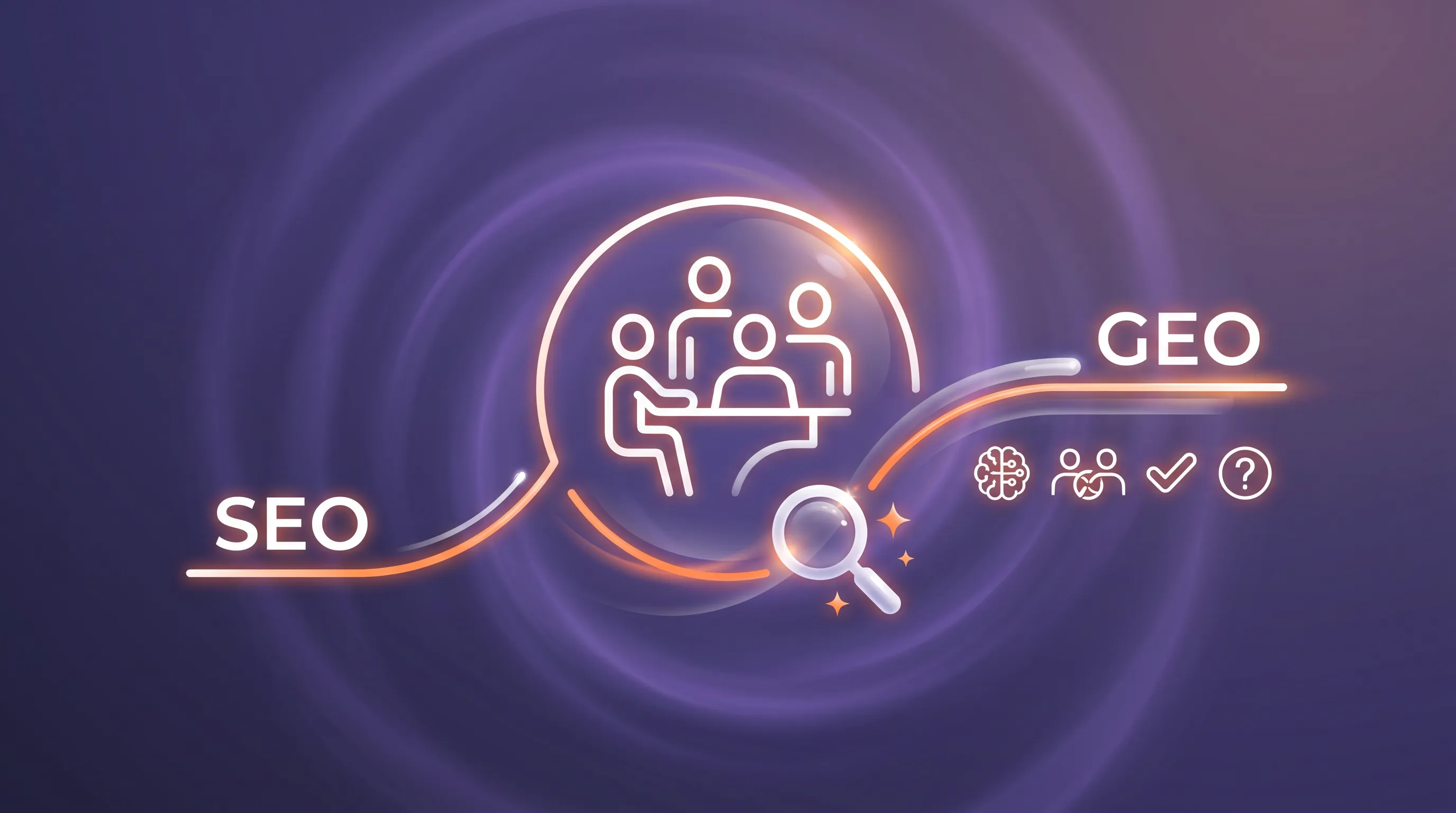
Infographic comparing a traditional search snippet with an AI-driven answer box featuring citations, structured data, authenticity signals, and AI-powered visibility metrics

Generative Engine Optimization Strategies: Digital Marketing Tips For AI-First Growth

In this article, we explain how to adapt traditional workflows into an AI-first framework that prioritizes citation visibility and structured data over traditional click-based metrics. We also discuss how to balance automation with authentic, human-centered content to maintain brand authority in modern search engines.

Content authorArtem Lozinsky, EMBA, MScPublished onReading time10 min read

Introduction

Marketing teams face new challenges as answer engines replace traditional search platforms. In the past, companies produced high volumes of keyword-optimized content and captured organic clicks from search engine results pages. Today, these organizations need new approaches because buyers use AI-driven search tools to evaluate vendors and products. A recent report shows that 90% of buyers start their research in answer engines. These engines rely on large language models that synthesize direct responses, eliminating the need for website visits. Generative engines extract information rather than provide directories of links. This shift makes traditional search engine metrics obsolete. Marketing teams must balance structured data with human authenticity to optimize for answer engine citations. Companies that optimize for machine readability and off-site validation adapt better to these changes than businesses that rely on legacy traffic metrics. This guide details how organizations can build citation authority and apply these digital marketing tips in an AI-first landscape.

Digital Marketing Tips For Citation Visibility

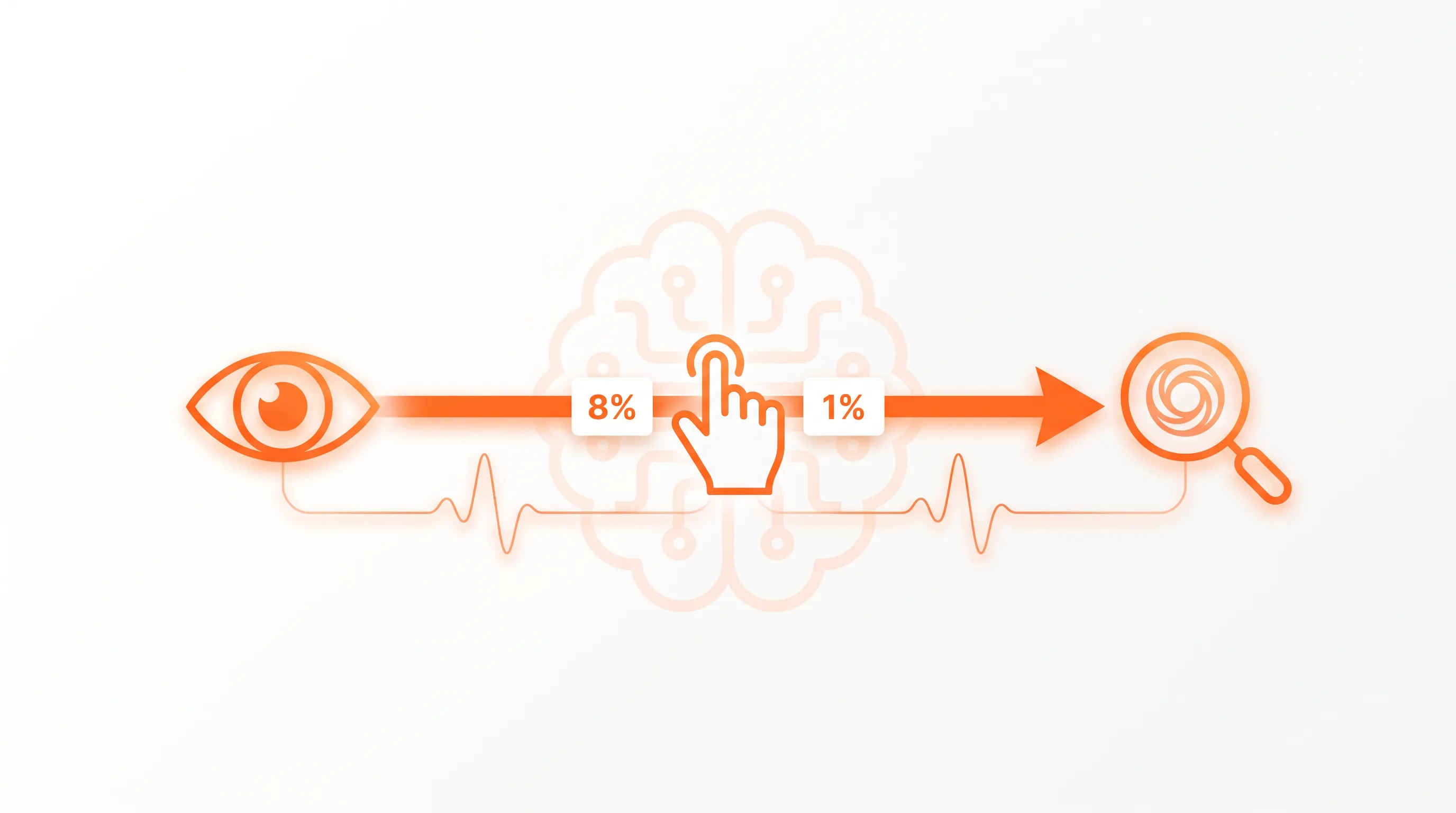
Generative search engines require marketing teams to shift their optimization focus from destination clicks to reference citations. These generative models answer questions directly on the results page and eliminate the need for users to visit external websites. This change reshapes search behavior, and recent studies show that 60% of searches end without any clicks to websites. This new search environment hurts raw traffic metrics, and experts project traditional search volume to decline by 25% over the next two years.

Companies lose visibility against competitors when they track outdated metrics instead of machine readability. Marketing leaders track citation frequency to maintain confidence in their measurement infrastructure. These professionals measure how often an AI model references a brand to gain clarity about market position. An effective digital marketing strategy relies on these new metrics instead of raw traffic numbers.

Organizations need clear digital marketing tips to adapt to this environment. These companies implement growth tips that restructure content to answer complex questions directly. Business leaders apply marketing best practices when they format their data clearly so search algorithms can extract and cite the information. Brands build authority when generative models consistently cite their structured data, and this citation success depends on how companies create their content.

Balance Of Automation With Authentic Content

Marketing departments face the Authenticity-Velocity Dilemma when they try to scale content production while maintaining genuine human insights. These companies face the temptation to publish large volumes of generic articles because automated generation tools remain widely available. However, businesses damage brand credibility when audiences quickly detect machine-written text. Marketing teams can observe this trend in current data, which reveals that 54% of audiences recognize when an AI model generated the content. Companies inject real human experiences into their material to establish trust with readers.

Human-generated material creates more value because it reflects the depth of actual industry expertise. Recent statistics show that this genuine content receives more traffic than automated articles. Original material remains crucial because algorithms prioritize unique perspectives over machine-generated text. This high-quality content requires digital marketing tips that blend automation with human editing.

Companies implement specific growth tips to balance efficiency with authenticity:

  • Internal subject matter experts provide unique perspectives during interviews.

  • Teams publish original research data that automated tools cannot generate.

  • Editors review all automated drafts to ensure the company’s voice shines through.

Content creators use optimization tools for large language models to format the technical aspects of the content. Marketing teams assign structural formatting tasks to software while humans provide the core ideas. These authentic ideas help establish brand authority across external websites.

Brand Authority Through Off-Site Mentions

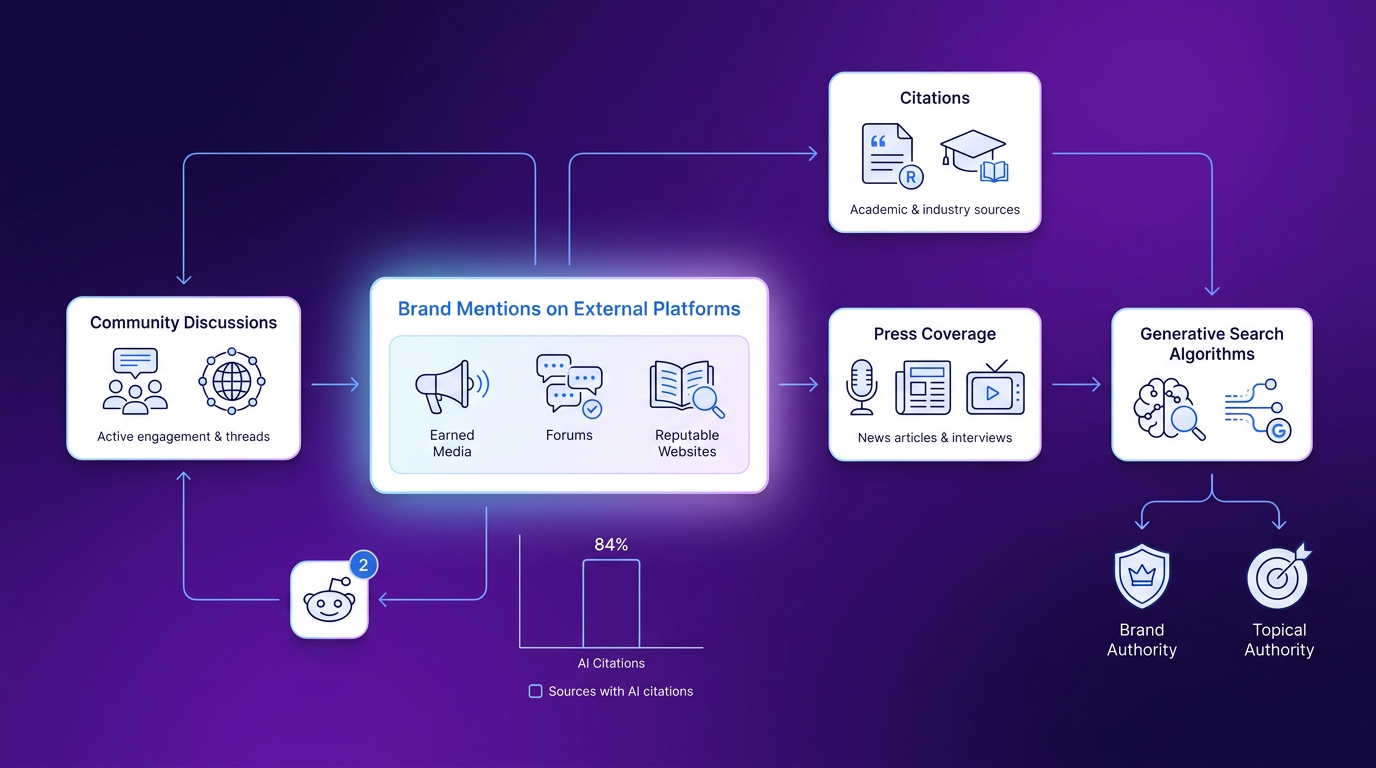
A modern SaaS marketing illustration featuring a central white UI panel on a deep purple gradient, with icons and flow lines connecting to secondary panels.

Generative search algorithms now value brand authority more than topical authority. Traditional search algorithms allowed companies to dominate results when they wrote hundreds of articles about a single subject. Today, these new AI engines evaluate how often other reputable websites mention a company. Algorithms treat a business as a verified entity when industry peers discuss that company frequently. These systems confirm that brand search volume predicts citations better than any other metric for large language model visibility.

Community discussions hold influence over these algorithms. These external conversations shape visibility, as studies show that Reddit ranks as the second most-cited website in Google’s AI search features. Industry forums and review platforms provide opportunities for companies to capture this visibility directly. Public relations channels also help secure diverse citation sources. Earned media platforms account for 84% of all AI citations, which proves that external validation drives modern search success.

Marketing leaders apply these digital marketing tips to secure third-party validation. These professionals operate with the conviction that external conversations matter more than internal blog posts. Marketing teams follow modern marketing best practices when they participate in external forums and secure press coverage. These teams build a strong brand marketing framework that prioritizes off-site mentions to ensure generative engines recognize the business. Once this recognition is established, marketing professionals need new ways to measure visibility.

Measurement Infrastructure Setup

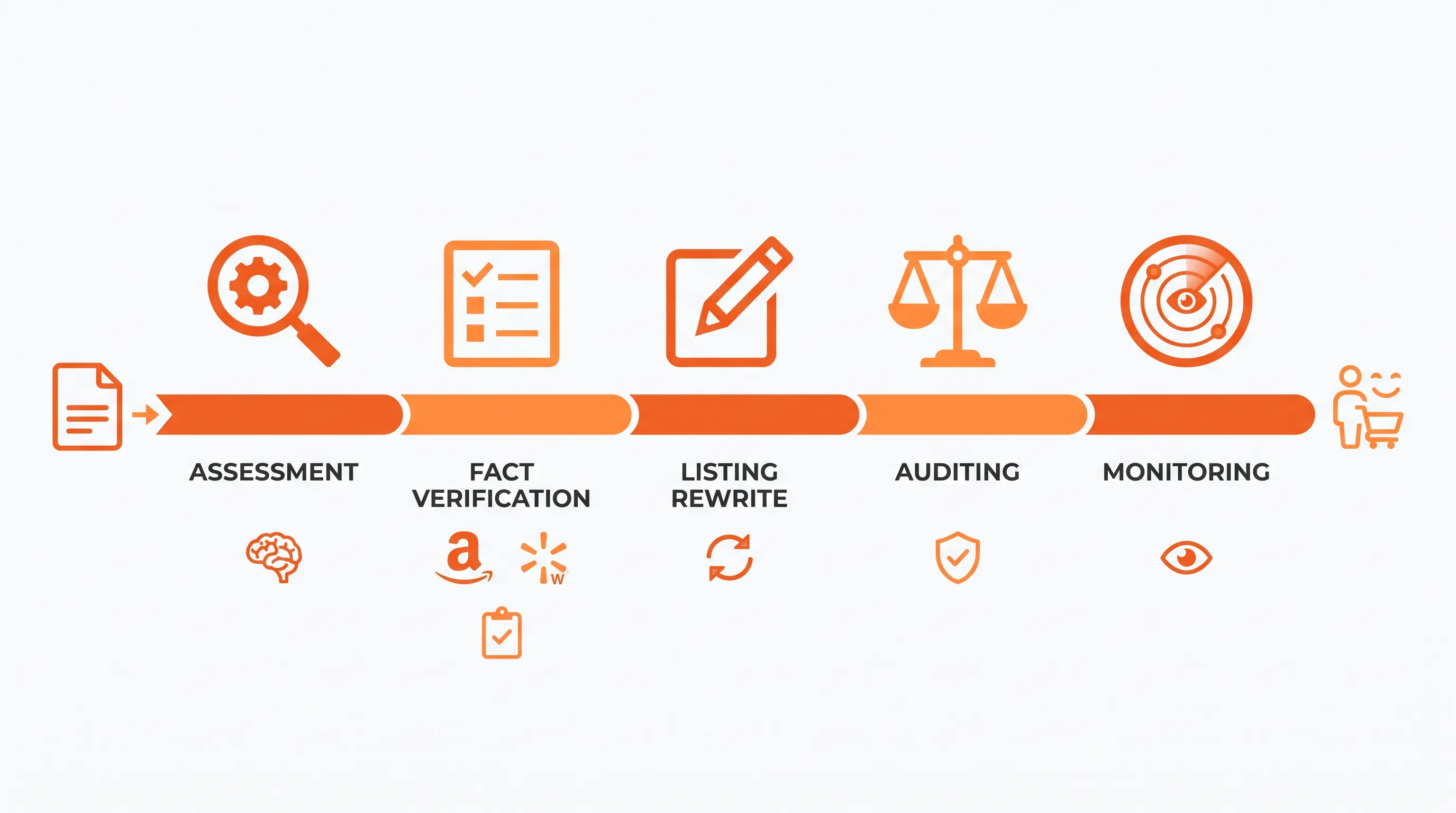
Marketing teams need rebuilt measurement frameworks because zero-click searches break traditional multi-touch attribution models. When generative engines answer queries directly on the results page, users do not click through to the website. Consequently, attribution software records nothing. This measurement gap hides actual market visibility from organizations. Tracking new metrics that reflect AI presence rather than site visits helps companies measure visibility with precision. Share of Model serves as one emerging standard, and Public Relations (PR) and marketing professionals now use it. Recent analysis shows that Share of Model replaces share of voice because it compares how often a brand appears in AI-generated answers against competitors. Organizations execute growth tips to implement this new framework. The following steps help marketing teams establish a reliable measurement baseline:

  1. Visibility audits for high-priority product queries.

  2. Tracking software configuration to monitor citation frequency across multiple AI platforms.

  3. Benchmark establishment for Share of Model against the top three industry competitors.

  4. Daily reviews of AI answer volatility to identify visibility drops.

Brand visibility in AI answers fluctuates constantly, and the fourth step helps identify these changes. A recent durability audit revealed that 70% of brands disappear in the next AI answer for the same query. These marketing best practices allow leaders to connect AI visibility directly to business outcomes. These metrics naturally help establish Key Performance Indicators (KPIs) that justify optimization budgets. Once the measurement foundation operates properly, technical teams apply specific generative optimization fundamentals to format content for algorithms.

Generative Engine Optimization Fundamentals

Digital content structure for machine extraction determines whether an AI system cites a company as a reference. Large language models process information differently than traditional search indexers. These models look for factual statements, clear relationships between entities, and logical document hierarchies. When technical teams organize data cleanly, algorithms extract facts quickly and present them to users. This structural quality prompts algorithms to select a specific website over a competitor’s page.

Formatting techniques improve citation frequency. Academic studies demonstrate that Generative Engine Optimization (GEO) increases brand visibility in AI answers by up to 40%. Algorithms process predictable layouts more effectively, which requires technical specialists to prioritize structural clarity over creative design. While human readers appreciate clever headings and complex narratives, machine readers need straightforward definitions and organized data points. Technical specialists strip away formatting elements that confuse the extraction process. Developers treat the website as an Application Programming Interface (API) for artificial intelligence, making it easier for generative systems to parse the information.

Marketing departments shift how they view their digital properties to support this technical optimization. The website no longer functions merely as a visual brochure. Instead, it serves as a structured database that feeds information directly to third-party language models. Companies achieve higher citation rates when they align their content architecture with machine reading patterns. These changes require an understanding of how technical elements interact with AI crawlers. Schema markup serves as the first technical element in this process.

Schema Markup Growth Tips

Schema markup translates web content into a standardized language that artificial intelligence systems can understand. Algorithms rely on Schema vocabulary to categorize data types, such as articles, frequently asked questions, product specifications, and instructional steps. When developers embed this code into a webpage, they remove the guesswork for generative engines that interpret the content. This clarity allows machines to extract facts accurately and present them in direct answers. Marketing directors use Schema code to prevent algorithms from misinterpreting their product capabilities. Standardizing the data format aligns with marketing best practices because it ensures consistent representation across all AI platforms. This vocabulary creates direct relationships between entities, attributes, and actions on the page. Search engines use these defined relationships to construct accurate summaries for their users. Companies that apply these technical standards establish a strong foundation for crawler interaction, and this interaction requires specific access rules.

Web Crawler Configurations

A properly configured robots.txt file controls how AI data scrapers access and index a company’s digital assets. Technical directors balance proprietary information security with data extraction for market visibility. If administrators block all AI crawlers, the brand will not appear in generative search results. Conversely, if administrators grant unrestricted access, competitors can use the company’s intellectual property to train their own models. The website stores sensitive corporate data, so administrators explicitly define which directories AI bots can scan. Strategic configurations allow specific bots, such as Google-Extended or ChatGPT-User, to crawl public-facing marketing pages while restricting access to technical documentation or customer portals. Technical teams update these access rules regularly because new AI scrapers enter the market monthly. Controlled crawler access ensures that algorithms extract only the information intended for public citation. Once administrators secure this crawler access, editors structure the information properly.

Content Structure For Extraction

Direct answers at the beginning of a document increase the probability that generative engines will cite the material. Machine readers prioritize information that appears near the top of a page because this placement signals high relevance to the topic. Content editors place concise definitions and factual summaries in the first paragraph before expanding into detailed explanations. The physical length of the text block also influences the extraction process. Recent content structure research indicates that the optimal AI passage length ranges from 134 to 167 words. Paragraphs within this range process more efficiently because algorithms handle standardized blocks of text better than sprawling narratives. Editors improve machine readability further when they use simple sentence structures and active voice verbs. When editors combine optimized passage lengths with upfront answers, they apply digital marketing tips that create the ideal structure for AI citation and complete the generative optimization process.

Conclusion

Generative Engine Optimization requires companies to update their entire measurement infrastructure before they generate more automated content. A successful transition to an AI-first framework depends on securing off-site citations and establishing strong brand authority. Practitioners who ignore these technical requirements often lose visibility in modern search queries. Going forward, visible brands will prioritize machine-readable formats and authentic insights over legacy keyword tactics. Applying these digital marketing tips helps marketing professionals restructure data and deploy precise schema markup to become the cited source in their niche. Finally, reviewing these AI marketing strategies helps marketing teams refine citation tracking workflows.

You need to update your website content quarterly so you don't lose your ranking in answer engines. Artificial intelligence models constantly scrape the internet for fresh information to answer user queries accurately. You signal to these algorithms that your information remains accurate when you refresh your pages regularly.

Glossaries and comparison tables perform well in generative search engines. Algorithms don't struggle to extract structured data from these formats because they organize facts into logical rows and columns. You give machine readers what they need when you build dedicated pages that define industry terms or compare product features.

A small business can compete with large corporations because artificial intelligence values niche expertise over company size. Generative models look for precise answers to specific questions, and they don't reward massive websites with high domain authority. You won't capture citations unless you publish original research and secure mentions on relevant forums.

You can monitor multiple platforms at once and track your brand visibility with Snoika. Snoika operates as an AI marketing software platform that helps businesses identify their presence in AI-generated answers. You won't miss valuable data when you use this tool to measure your citation frequency across modern search engines.

You shouldn't abandon keywords when you write your articles. However, modern digital marketing tips suggest shifting your focus from short phrases to natural questions that your customers ask. You help algorithms understand your context better when you include conversational queries that match how people speak to artificial intelligence assistants.

Schedule a Meeting

Book a time that works best for you

You Might Also Like

Discover more insights and articles

Visual diagram illustrating a semantic SEO and AI search optimization framework with interconnected elements including topic clusters, trust signals, measurement loops, business alignment, and CTR analytics around a semantic core.

Web content strategy for SEO and AI visibility

This article lays out a practical framework for building a web content strategy that performs in both classic search engines and AI answer platforms. You'll get a working blueprint for a semantic core, topic clusters, trust signals, and the measurement loop that keeps the system compounding.

Five-step AI-powered brand audit workflow infographic showing stages from defining scope and gathering data to analyzing brand performance, identifying opportunities, and creating strategic recommendations

Brand audit: How to measure SEO and AI search visibility

This article walks through a practical method for auditing how a brand appears across Google search and AI answer engines like ChatGPT, Perplexity, Gemini, and Google's AI Overviews. It explains the signals that determine whether AI systems cite or ignore a brand, and how to turn findings into an action plan.

Comparison infographic showing a legacy SEO approach with 96% invisibility versus an AI-driven future using generative AI, answer engines, semantic structure, analytics, and monitoring for improved visibility and engagement

Best SEO Marketing Tools Tested For AI-Driven Growth [2026]

In this article, we examine the shift from traditional search engines to artificial intelligence answer engines and the software that protects brand visibility. We explain how modern optimization platforms help companies capture citations and build sustainable growth.

Framework diagram showing answer-first structured content connecting traditional SEO practices with generative AI optimization and AI citation systems

Search Engine Optimization Content Writing For Generative Search: Step-by-Step Framework

In this article, we explain how to structure digital content for both traditional search engines and AI generative models. An answer-first architecture secures algorithmic citations and maintains high readability for human audiences.