Snoika AI SEO platform showing Google search optimization, AI overview insights, and SEO performance graph with leads growth.

Freelancer’s Guide to SEO Optimization: How to Compete with Agencies

Agencies may have scale, but freelancers win with speed, flexibility, and focus. This guide reveals how to avoid common SEO mistakes, choose the right tools, and price your services to compete - and win. Discover how Snoika helps freelancers deliver results that rival big teams.

Content authorJevgenia Pogadajeva, MBA, MScPublished onReading time5 min read

Mastering SEO as a Freelancer: Common Traps, Tools & Pricing That Work

Breaking into SEO for freelancers can be challenging - especially when agencies seem to dominate the market with bigger teams and budgets. But many startups and small businesses actually prefer working with freelancers who are faster, more focused, and cost-effective. By avoiding common mistakes, choosing the right freelance SEO tools, and applying smart SEO pricing strategies, you can build a freelance SEO business that competes - and wins. This section breaks down exactly how to do that.

Common SEO Mistakes Freelancers Make

Too many freelancers rely on surface-level tools and overlook strategy.

Common mistakes include:

  • No topical clustering: Google favours structured topic groups over scattered posts.
  • Chasing volume over intent: High-traffic keywords don’t always convert.
  • Ignoring AI search: Platforms like ChatGPT and Perplexity shape buyer journeys. Snoika ensures your content is AI-visible with semantic markup.
  • Lack of internal linking: Google uses links to understand relevance. Snoika automates this with smart suggestions.

Even top-tier freelance SEO tools can't replace clear strategy. As Forbes noted in 2024, clients now expect freelancers to combine content, AI-readiness, and smart SEO pricing strategies in one streamlined package.

Essential Tools for SEO Freelancers

The right tools save time and show real ROI. A strong freelance SEO stack includes:

  • Keyword research: Ahrefs, Semrush, or low-budget tools like Ubersuggest.
  • Content planning: Google Trends + Snoika’s topic clustering and SERP scoring.
  • SEO writing: Snoika’s AI optimization assistant with entity-based feedback.
  • Analytics: Google Search Console + Snoika’s AI scoring dashboard.
  • AI visibility: Use Snoika to optimize content for AI bots like Perplexity and ChatGPT.

As HubSpot notes, SEO freelancers should “prioritize tools that simplify insight, not add complexity.” Snoika replaces 3-4 other tools by unifying strategy, optimization, and reporting.

How to Price SEO Services

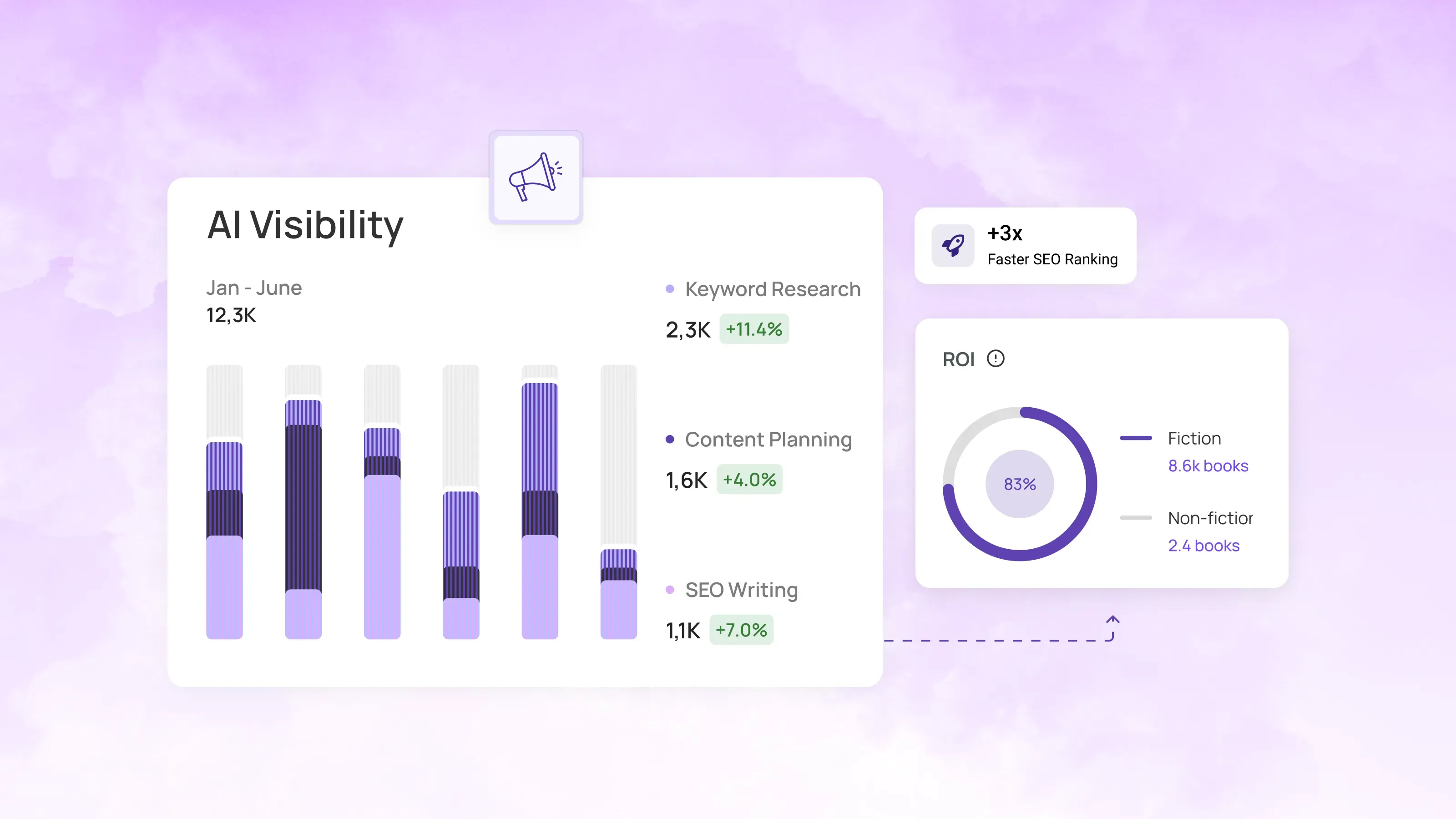
Snoika AI SEO visibility dashboard showing keyword research, content planning, SEO writing metrics, and ROI performance insights.

  • Avoid hourly billing → Hourly rates make it harder to scale. Instead, package your services around value and results.

  • Adopt value-based pricing → For example: “SEO Retainer for SaaS: $1,200/month for 4 optimized blogs + keyword report.”

  • Focus on ROI and scalability → Clients care about traffic growth, signups, and conversions - not task counts.

  • Know industry benchmarks → According to Ahrefs’ freelancer survey, top SEO freelancers charge $75–150/hour or $1,000+ per month, depending on niche and deliverables.

  • Use the right tools to justify pricing → Platforms like Snoika provide keyword tracking, AI-optimized scoring, and performance insights to back up your rates.

Tips to raise your SEO pricing:

  • Charge for strategy + execution, not just deliverables

  • Use Snoika’s SEO scores and AI reports to show real impact

  • Anchor your pricing to growth metrics like CTR lift, demo signups, and traffic increases

Why Freelancers Can Still Beat Agencies

Freelancers succeed when they use AI, focus on value, and specialize.

Advantages of being freelance in SEO:

  • Faster delivery, fewer bottlenecks
  • Personalized support startups love
  • More affordable for early-stage teams
  • Use AI tools like Snoika to close the gap with agency tech stacks
  • Stronger founder–freelancer collaboration

Want to work with B2B startups? See how Snoika supports SaaS and marketing teams with AI SEO workflows.

Key Advantages Freelancers Bring to SEO

Freelancers often underestimate how many natural strengths they already have compared to agencies. By leaning into these advantages, solo SEO specialists can win trust, build long-term contracts, and deliver results that feel faster and more personalized.

Here are the biggest reasons startups choose freelancers over big firms:

  • Flexible pricing compared to agencies

  • Faster turnaround times with fewer bottlenecks

  • Ability to specialize in niche markets (SaaS, legal, real estate)

  • Closer founder–freelancer collaboration

Use of AI platforms like Snoika to deliver agency-level results

Why Specialization Matters

Focusing on a specific niche allows freelancers to compete on expertise rather than scale. Startups are more likely to choose an SEO partner who understands their industry language, challenges, and growth goals.

How to Get Started as an SEO Freelancer

Getting started in SEO for freelancers doesn’t require a full agency setup - but it does require structure, clarity, and smart positioning.

Here’s a simple roadmap to help you build momentum and attract high-value clients:

  • Pick a niche you understand well: SaaS, legal, real estate, or ecommerce. Clients value deep expertise over generalist skills.
  • Define your deliverables: Will you offer monthly blog content, technical audits, backlink building, or full SEO strategy packages? Be specific in what’s included.
  • Create simple pricing tiers: for example, a starter SEO package and a growth-focused retainer. Avoid hourly billing when possible.
  • Build a proof-of-work portfolio: Share past wins, SEO reports, blog links, or even mock projects to show credibility.
  • Use Snoika to simplify your workflow: From AI-powered content scoring to internal linking and performance tracking, Snoika helps freelancers deliver polished results without the overhead.

Want a competitive edge? Explore our SEO toolkit for startup marketers and see how freelancers are scaling with Snoika.

Conclusion

Freelancers can absolutely thrive in SEO - even against large agencies - by staying focused, using the right tools, and demonstrating clear ROI. With AI-powered platforms like Snoika, solo marketers can optimize faster, prove results, and scale smarter. By combining smart SEO pricing strategies with performance-driven workflows, freelancers can confidently charge what they're worth. Whether you're just starting or refining your offer, the opportunity to stand out and win high-value clients is bigger than ever.

A lean stack works best - use Ahrefs or Ubersuggest for research, Google Search Console for tracking, and Snoika to optimize content and track SEO performance across Google and AI platforms like ChatGPT.

Most freelancers charge between $75–$100/hour or $500–$1,500/month depending on experience and deliverables. Value-based pricing tied to outcomes (like traffic or leads) is more scalable than hourly billing.

Yes - many startups prefer freelancers for flexibility and direct communication. With the right positioning and AI tools like Snoika, freelancers can deliver results that rival agency performance.

Use tools like Snoika or GSC to track keyword growth, traffic increases, and content scores. Visual reports and before-after rankings help build trust and justify pricing.

Focusing only on keywords without content structure or intent mapping. Ignoring internal linking and AI search visibility also limits long-term performance.

Schedule a Meeting

Book a time that works best for you

You Might Also Like

Discover more insights and articles

An AI-driven marketing analytics dashboard showing automated KPI alerts and channel performance metrics across paid search, social, email, and SEO

The Role of Data in Modern Performance Marketing

Data is now the fuel of performance campaigns. Marketers who ignore it waste budget, while those who embrace it watch revenue climb. So how do you turn raw numbers into smarter ads, higher conversion rates, and happier customers?

Below is a clear, practical road map.

Dashboard comparing performance marketing and growth marketing channels with a decision scorecard and real-world retail DTC case insights

Performance Marketing vs. Growth Marketing: Key Differences

Performance marketing vs growth marketing confuses even seasoned CMOs. Which model moves the revenue needle faster, and which builds durable momentum? Let’s break down the essentials so you can choose the right approach without second-guessing every campaign.

Performance marketing dashboard showing channel ROI comparison, A/B testing results, smart bidding automation, and AI-driven campaign optimization

How to Build a Performance Marketing Strategy That Scales

Performance marketing promises measurable growth, yet many teams still guess which ads, channels, or creatives actually work. Ready to stop guessing and start seeing the numbers you need?

A modern performance marketing strategy lets you spend every dollar where it matters, adjust quickly, and keep climbing. This guide shows you how.

An AI content marketing trends dashboard highlighting AI search visibility, emerging content creation trends, ethical governance guardrails, and higher ROI reported by businesses using AI for content and SEO

The Future of AI in Content Marketing: What’s Next?

Artificial intelligence is no longer a futuristic concept, it is the beating heart of modern content programs. Marketers who ignore the shift risk fading from search results, social feeds, and customer conversations.

In this article, you will see how AI already fuels content, where the technology is heading, and the guardrails every brand needs. Real case studies, crisp stats, and practical tips keep things grounded and easy to apply.