Your 7-Step Roadmap
This guide breaks down how online retailers can use AI to grow sales and improve customer experience in seven clear steps. From setting goals and picking the right platforms to automating customer service, reducing cart abandonment, and optimizing pricing, you’ll discover practical ways to apply AI. Each step comes with data-backed insights, examples, and tools that help ecommerce stores scale smarter and faster.
Step 1: Identify Your AI Goals
Before installing any AI shopping tools, you want a clear game plan. Ask yourself what problems you’re hoping to solve.
-
Do you want to cut down on cart abandonment?
-
Are you looking to boost your profit margins?
-
Maybe you’re aiming for more personalized product recommendations?
Planning can steer you away from spending on tools you don’t need. If you have a small budget and want to experiment with fresh ideas, there are innovative services out there. For instance, we create AI-powered tools that help people quickly test business ideas by simulating a real online presence. Our system even builds a simple website and publishes SEO content to check if there’s a genuine market before you invest more resources. This approach can prevent disappointment and get you real feedback fast.
Setting Specific Targets
Try to establish numerical targets. For instance, industry research shows that companies implementing AI-powered personalization see conversion rate increases of 10–30%. If your current conversion rate is 2%, you could aim for a realistic bump to 2.2%–2.6%, giving you a clear benchmark to evaluate AI’s impact.
Step 2: Pick a Suitable Machine Learning Ecommerce Platform

Once you know your goals, it’s time to choose a platform that matches them. You might need AI chatbots, product recommendation engines, or advanced pricing algorithms. Look for platforms that integrate easily with your existing setup.
-
Check user reviews from store owners in your niche
-
Explore demos and free trials to get hands-on experience
-
Confirm the platform’s compatibility with your payment gateways
For a guide to holistic ecommerce optimization, check out how you can Drive Traffic and Boost Sales with Smarter SEO with Snoika AI for E-commerce, featuring AI-driven recommendations, trend prediction, and integrated marketing tools.
Consider Scalability
You don’t want complications if your store traffic suddenly doubles. A robust system should handle growth seamlessly. According to Boston Consulting Group (BCG), retailers that implemented AI-powered dynamic pricing achieved gross profit improvements of 5–10% while also scaling operations effectively. This proves that a scalable pricing tool can both support growth and deliver a lasting impact on profitability.
Step 3: Automate Customer Service with AI Shopping Tools
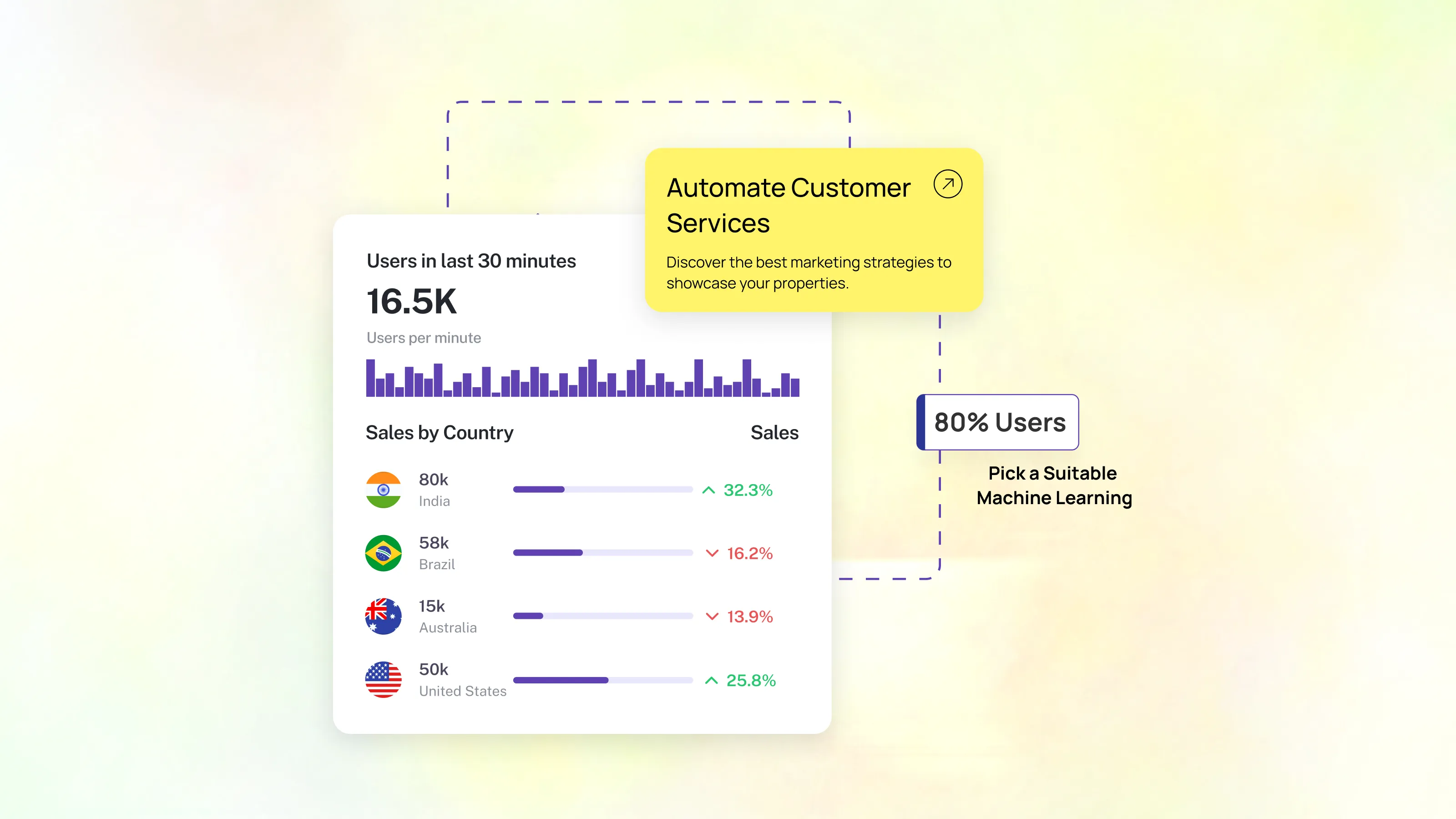
Customer service can make or break a sale - the faster you respond, the more likely customers are to stick around. In fact, AI chatbots can handle up to 80% of routine customer inquiries, enabling teams to focus on complex issues. Additionally, according to Fullview’s 2025 report, 95% of customer interactions are expected to be AI-powered by 2025, showcasing how scalable tools can both streamline operations and enhance profitability.
-
Improve Customer Satisfaction: Reduce wait times and keep shoppers informed around the clock.
-
Lower Operational Costs: Fewer support agents are needed when chatbots do the heavy lifting.
-
Better Data Collection: Chatbots track questions and issues, so you can refine your FAQ or product pages.
If you're wondering how AI-powered content and chat can make a real impact, the Best Performing Content Marketing & AI Content Creator for your Business showcases tools designed to optimize customer engagement and efficiency.
Step 4: Slash Cart Abandonment with Smart Reminders
Abandoned carts directly impact your revenue, but AI can help recover lost sales. According to a Rep AI 2025 report, AI-driven chat and personalization can recover up to 35% of abandoned carts.
Here’s how AI makes a difference:
-
Send time-sensitive emails → urgency pushes hesitant shoppers to complete their purchase.
-
Offer tailored discounts → AI decides who really needs an incentive to finalize checkout.
-
Deploy retargeting ads → remind customers of the exact items they left behind.
-
Trigger smart on-site pop-ups → catch attention before the shopper exits.
By combining these tactics, AI ensures fewer abandoned carts and more completed sales.
Example of a Smart Reminder Flow
A shopper leaves a laptop in the cart. An AI email triggers within one hour, politely reminding them. If they don’t open, a follow-up email 24 hours later includes a small discount. Finally, a retargeting ad pops up in their social feeds with the same item.
Step 5: Leverage Personalization for Higher Conversions
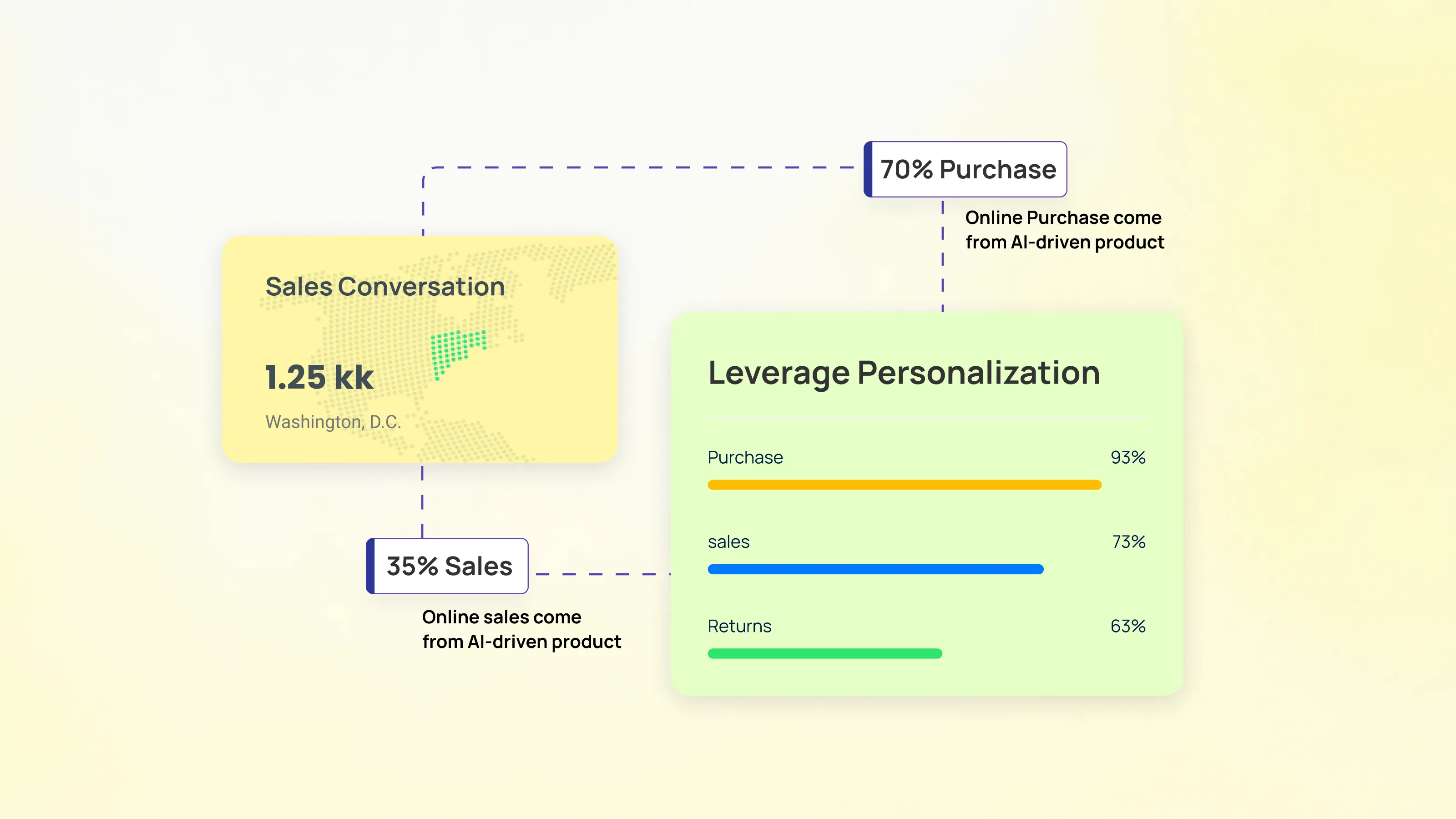
Ever landed on an online store that surfaces items you love but never knew you needed? That’s personalization at work. AI looks at browsing history, search terms, and purchase behavior to suggest the right products.
Up to 35% of online sales come from AI-driven product recommendations, as recent findings show.
Step 6: Apply AI to Optimize Pricing
Guesswork in pricing can sink your profits. AI can quickly analyze competitor prices, seasonal trends, and inventory levels to suggest optimized price points.
McKinsey research shows that companies using AI‑powered pricing tools can increase profits by up to 25%, compared to traditional manual pricing methods.
Key advantages of AI-driven pricing:
-
Real-time automated adjustments - respond immediately to demand surges like holidays or sales.
-
Prevent underselling - ensure profitable margins without sacrificing competitiveness.
-
Continuous competitor monitoring - keep pace with pricing changes across channels.
-
Sustainable scalability - supports your business growth without manual bottlenecks.
If you want to steer your overall growth and efficiency, consider how Google Search Engine Optimization That Works Like an AI Growth Team lets you blend smart keyword research, competitor analysis, and real-time auditing into a single workflow.
Step 7: Measure Results and Refine
AI isn’t a one-and-done project. It calls for periodic checkups to ensure everything remains effective.
-
Look at changes in your conversion rate.
-
Keep track of average order value (AOV).
-
Study overall revenue shifts monthly.
Refine your approach, introduce new tools, and disable features that don’t yield results. If you want to experiment with new product lines, remember that we create AI-powered tools that help people test ideas before going all in. By launching a minimal website quickly and using AI-generated content, you see how the market reacts before committing major funds.
Conclusion
AI in ecommerce doesn’t have to be complicated. If you pick the right tools and keep refining, you can see notable improvements in profit margins, customer satisfaction, and overall efficiency. Whether it's personalizing product suggestions or handling chat support, AI-driven techniques can give your store a healthy edge. By setting clear goals and keeping an eye on key metrics, you’ll quickly see what works - and your customers will thank you for it.